The cooler building with a warmer night shift
A New York block shifted its daytime electrical load and lowered a shared charge. Two tenants with different sleep schedules experienced opposite changes.
8 September 2077 · Scenario fiction- Night plant
- Charge thermal storage
- Midday common room
- Draw from storage
- South corridor
- Move one period to evening
Coming home to heat
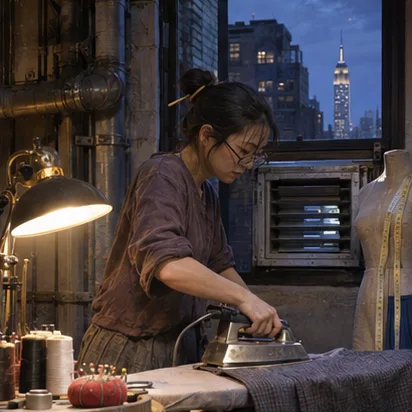
Tailor Eli Baez comes home at eleven and presses fabric there. The bill showed savings, but the room that held the evening sun stayed warm. A neighbour away through that part of the day had never noticed it.
When to draw from storage
The building had prioritised the midday common rooms when releasing cooling stored overnight. An anonymous return-time ballot moved one south-corridor period into the evening. Nobody had to give the caretaker a detailed occupancy log.
Who paid the charge
Eli finished the evening work. A reading group gave up its cooler seats earlier during the shifted period. The next review would count missed hours in the common room beside the monthly bill.
The hour a café owner wrote on the bill
The café below closed when diners left, yet its refrigerators still shed heat overnight. The owner entered the final cooler’s stop time beside the floor area of the empty room. The ledger could finally show who was releasing heat during the hour cooling reached Ellie upstairs.
The open question
Weather and occupancy affect the bill too. Comparing two schedules in this block cannot isolate the cause of its total savings.
Follow the people affected
Technical background
Thermal storage can shift the timing of electrical load by releasing stored heating or cooling. The building schedule and charges are invented.
US DOE · Federal demand flexibility